Cash on Delivery for the Lana Ultra 2: What Changes at the Door
Cash on Delivery for the Lana Ultra 2: What Changes at the Door
Standing at your own front door with cash in hand, waiting for a parcel to be passed over, feels like the simplest transaction in the world. You see the box, you pay, you close the door. No card details stored anywhere, no transfer sitting in limbo, no wondering whether the courier will actually turn up after the money has already left your account. But is that moment genuinely simpler than paying online, or does it just move the complications to a different point in the process?
That question matters more than usual when the parcel contains a device like the lana ultra 2, where the puff count, the flavour and the physical condition of the unit are all things you would rather confirm before committing. This comparison walks through the two payment tracks side by side, based on how a shopper who prefers paying only when the goods are physically present actually experiences each one.
For context, the same logic applies across the wider range of high-capacity disposables people order online, from a marbo vape 25k through to smaller pen-style devices. The payment method changes the feel of the purchase far more than most buyers expect.
How Upfront Payment Works in Practice
Paying upfront means the transaction is finished before the parcel exists in your hands. You select the device, complete checkout, and the money leaves your account immediately. From that point onward you are in a waiting state, and the only thing you control is how you respond if something goes wrong.
The advantages are real. Upfront payment is fast, it usually unlocks the widest range of stock, and it removes the need to have physical cash ready at a specific time. If you are ordering something like a lana pix 20k and you want it dispatched the same day, paying online is often the only way to secure that slot.
The disadvantages are equally real, and they all cluster around one moment: the handover. If the parcel arrives and the device is not what you expected, you have already paid. Your remedy is a return or a refund request, which takes time and depends on the seller’s policy. You are relying on the seller’s reputation rather than on your own eyes.
There is also the quieter issue of information. Paying upfront means you have committed before you have seen the packaging, the batch markings or the physical size of the device. For a compact model such as a lana pen plus 9k, that is usually fine because the product is well documented. For anything where you are unsure about the exact variant, it is a small gamble.
How Cash on Delivery Changes the Handover
Cash on delivery flips the sequence. The courier arrives, you inspect the parcel, and only then do you hand over money. The payment is the last step rather than the first, and that single change alters almost everything about how the purchase feels.
The most obvious benefit is leverage at the door. If the box is damaged, if the seal is broken, or if the item inside is visibly not what you ordered, you can refuse the delivery and keep your cash. You have not lost anything except a few minutes of your time. That is a meaningfully different risk position from paying in advance and hoping.
The second benefit is that COD suits buyers who do not want card details sitting with another online merchant. You are not storing payment information, and you are not exposing a bank account to a small retailer you may be ordering from for the first time. For some shoppers, that privacy is the entire reason they choose COD.
The trade-off is preparation. COD requires you to be available at the delivery window with the correct amount in cash, and it requires you to know what you are looking at when the parcel is opened. That is where a lot of buyers get caught out, because they treat the handover as a formality rather than the actual decision point.
The range of devices available under this model is wide. Whether you are ordering a marbo 25k or something from a different brand entirely, the COD process is the same, and so are the checks that protect you.
What to Prepare Before the Courier Arrives
Preparation is what separates a smooth COD handover from an awkward one. The first item is the exact cash amount. Couriers rarely carry change, and a delivery that stalls because you are hunting for smaller notes is avoidable. Confirm the final total, including any delivery charge, before the driver reaches your door.
The second item is your order reference. Have the order number and the product name ready on your phone so you can match the parcel label against what you actually bought. This sounds trivial until you are holding a box with a similar-looking product name and trying to remember which variant you selected.
The third item is a delivery window you can genuinely meet. If you work during the day, arrange for someone at the address to receive the parcel, or reschedule. A missed COD delivery often means a second attempt, and some couriers charge for the repeat trip.
Finally, decide in advance what would make you refuse the parcel. A crushed outer box, a broken tamper seal, an obviously wrong model, or a missing accessory are all reasonable grounds. Knowing your own threshold before the doorbell rings makes the decision quick and unemotional.
What to Check at the Door, Step by Step
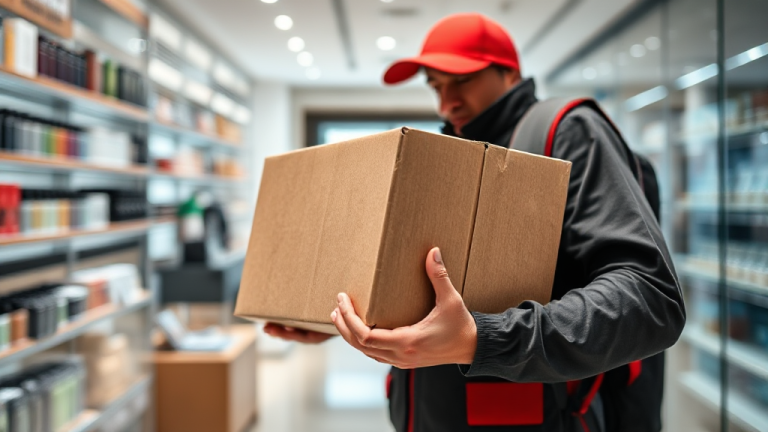
The handover itself should take two or three minutes if you do it in the right order. Start with the outer packaging. Look for crushing, water damage or signs that the box has been opened and resealed. If the outer packaging is compromised, say so before you pay.
Next, confirm the product identity. The label should match the model you ordered, including the variant and any capacity figure. If you ordered a lana pix and the label says something else, that is a stop point.
Then check the seal and the contents. The device should be in its original packaging with the seal intact. If the seal is broken, ask the courier to wait while you inspect the unit itself. A quick visual check for cracks, leaking or an obviously used device is enough at this stage.
Only after those checks should you hand over the cash and sign. If the courier is unwilling to wait for a brief inspection, that is itself useful information. Reputable sellers expect buyers to check, and a reasonable driver will allow a short pause.
For higher-value orders, the same discipline applies. A snowwolf 16k or a multi-item order deserves exactly the same inspection routine as a single low-cost device. The value of the order should not change how carefully you check it.
One more point that surprises first-time COD buyers: heat-sensitive products do not enjoy sitting in a delivery vehicle. If the parcel feels unusually warm on arrival, particularly in a tropical climate, note it and inspect the device before paying. Packaging that has been cooking in a van all afternoon is a legitimate concern, not paranoia.
Which Track Suits Which Shopper
Upfront payment suits buyers who value speed and certainty of dispatch above all else. If you already know the exact device you want, have ordered from the seller before, and want it shipped immediately, paying online is the more efficient path. You accept a small amount of counterparty risk in exchange for convenience.
Cash on delivery suits buyers who value control at the point of exchange. If you are ordering from a seller for the first time, if the order value is high, or if you simply dislike handing payment details to unfamiliar websites, COD gives you a natural exit. You keep your money until the goods are physically in front of you.
There is a middle position worth considering. Many shoppers use upfront payment for repeat orders of products they already trust, and reserve COD for first-time purchases or unfamiliar brands. That hybrid approach captures most of the convenience of online payment while keeping the inspection safeguard where it matters most.
If you are weighing payment methods across a broader basket, including items like terea singapore stock or a high-capacity disposable, the same rule holds. The question is not which method is objectively better. It is which method matches your tolerance for paying before you can see the product.
My own preference, as someone who dislikes paying for anything I cannot inspect first, is COD for anything new and upfront payment for anything I have already received and been satisfied with. That is not a universal answer, but it is a defensible one, and it keeps the risk where I can actually manage it.
Frequently Asked Questions
Is cash on delivery more expensive than paying online?
Not necessarily. Some sellers charge a small COD handling fee, while others price it identically to online payment. Always confirm the final total, including any delivery or handling charge, before the courier arrives so you are not surprised at the door.
Can I inspect the parcel before paying?
In most cases yes, and you should. Check the outer packaging, the product label and the tamper seal before handing over cash. If the courier refuses to allow a brief inspection, treat that as a warning sign and consider declining the delivery.
What happens if I refuse a cash on delivery parcel?
You simply do not pay, and the parcel returns to the seller. You may lose the delivery fee or face a restocking charge depending on the seller’s policy, but you keep the full product value. Refusing is a legitimate option when the item is damaged or incorrect.
Does cash on delivery work for high-capacity disposable orders?
Yes, provided you have the exact amount ready and can be present at the delivery window. Higher-value orders benefit most from COD because the inspection step protects a larger sum. Prepare the cash and your order reference in advance.